DANTE, tel le géomètre… Les arts de la mémoire, l’architecture et l’enjeu de la connaissance dans la culture européenne
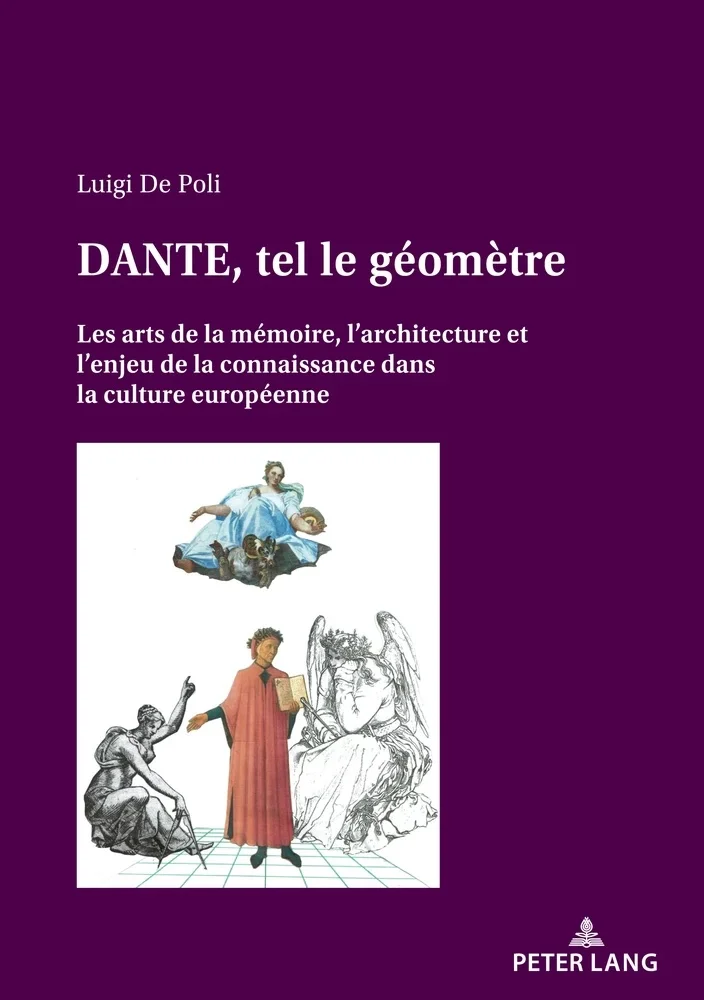
The aim of this work is to demonstrate the influence of Dante’s oeuvre within the intellectual currents that flourished during the Renaissance—particularly in the Veneto—and that would later lead to the Enlightenment. A key concept in this investigation is memory, along with female figures who served as the basis for literary or artistic creations.
After defining the term ars memorativa and clarifying the authors’ position regarding its rules, the first part shows how rhetorical treatises could give rise to grotesque characters or situations in the Divine Comedy. In light of these principles, a close rereading of the poem reveals a structure not grounded in the number three or in theology, but in a more personal number for Dante—one he associates with Beatrice.
The practice of the art of memory does not guarantee poetic success, and the second part highlights the failures of a memory “cluttered” with images, to the point that language can no longer adequately convey them. During the Renaissance, the study follows the transformations of ars memorativa and how it came to serve freedom of thought by helping humanists free themselves from dogma.
Memory and its figures are also used to decipher the frescoes in Daniele Barbaro’s villa at Maser and to understand the growing importance of architecture as the “queen of knowledge.”
Le site de l’éditeur: https://www.peterlang.com/document/1140447
 SHARE
SHARE 



Authors
Luigi De Poli