Institute of Research in European Languages and Literatures (ILLE)
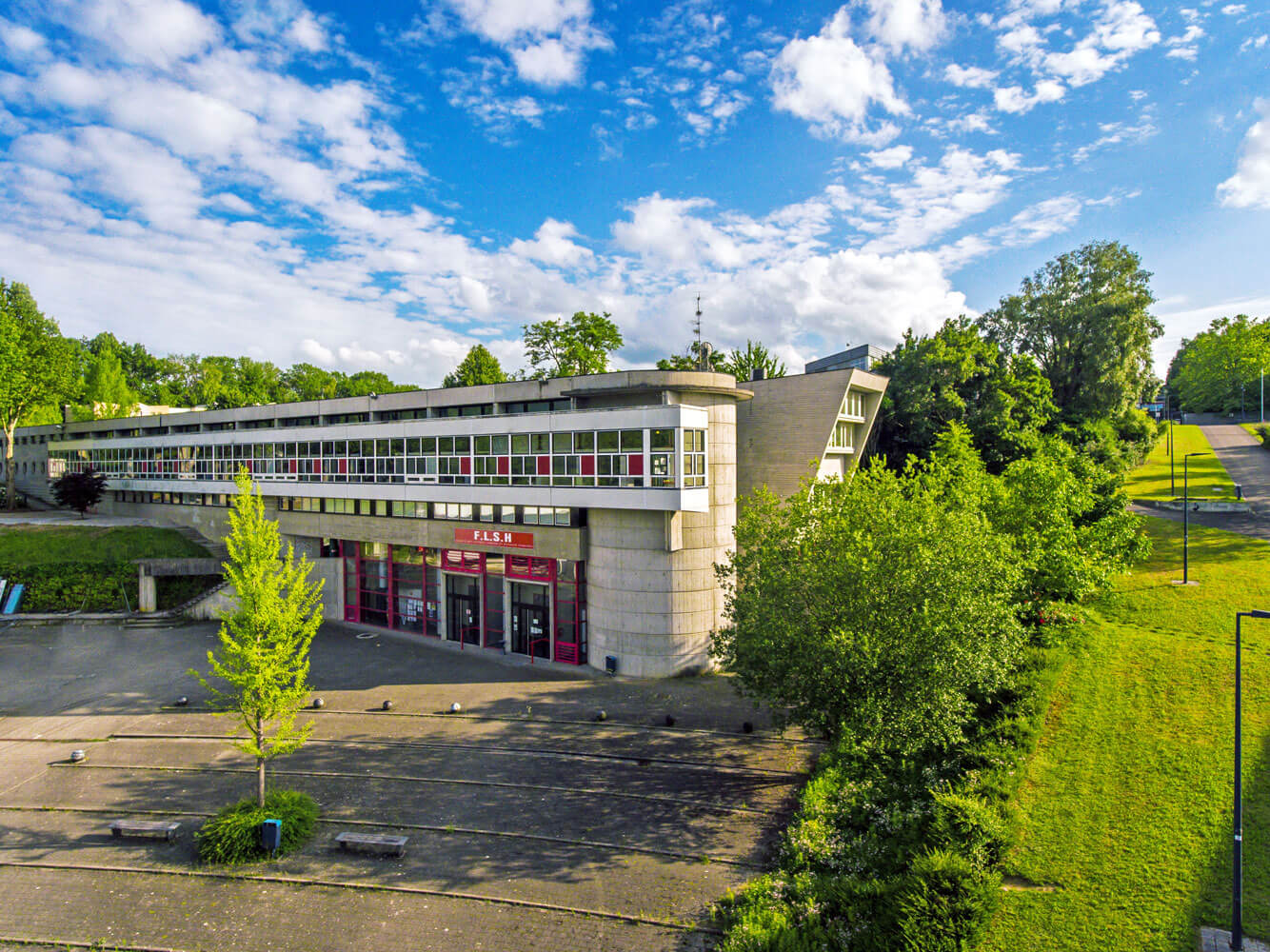
The Institute of Research in European Languages and Literatures (ILLE) is a university research laboratory based in Mulhouse, within the University of Haute-Alsace (UHA), directed by Ms. Régine Battiston.
The ILLE Mulhouse laboratory adopts an interdisciplinary and transdisciplinary approach, combining literary studies, cultural studies, and linguistics to analyze the dynamics of languages and societies in Europe.
It therefore strengthens synergy, scientific exchange, and collaboration with other humanities research laboratories at UHA.
Calendar
 22 September 2026
  Salle du Conseil Gandjavi (210), FLSH
 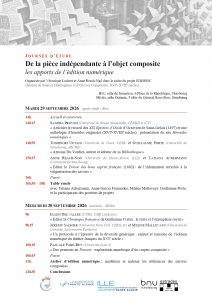 29 September 2026
Strasbourg : J1 Bnu, J2 MISHA
29 September 2026
Strasbourg : J1 Bnu, J2 MISHA  01 October 2026
Salle du Conseil Gandjavi (210), FLSH
01 October 2026
Salle du Conseil Gandjavi (210), FLSH Latest News

CALL FOR PAPER – “Les 50 visages de l’autofiction (1977-2027) : genèse, mutations, devenirs”
Fifty years ago, Serge Doubrovsky published the first self-aware autofiction. With Fils (Galilée, 1977), the writer-professor responded to an article […]
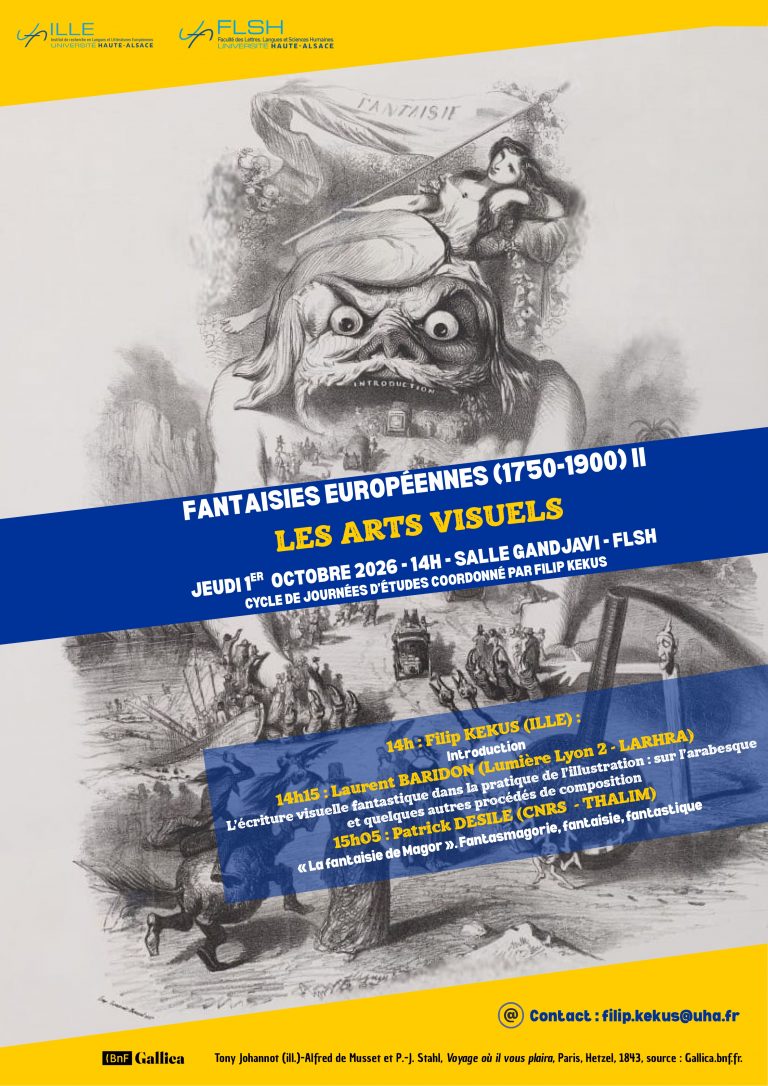
II – European Fantasies (1750-1900)
The second session of the study day series entitled European Fantasies (1750-1900) will take place on Tuesday, October 1st at […]
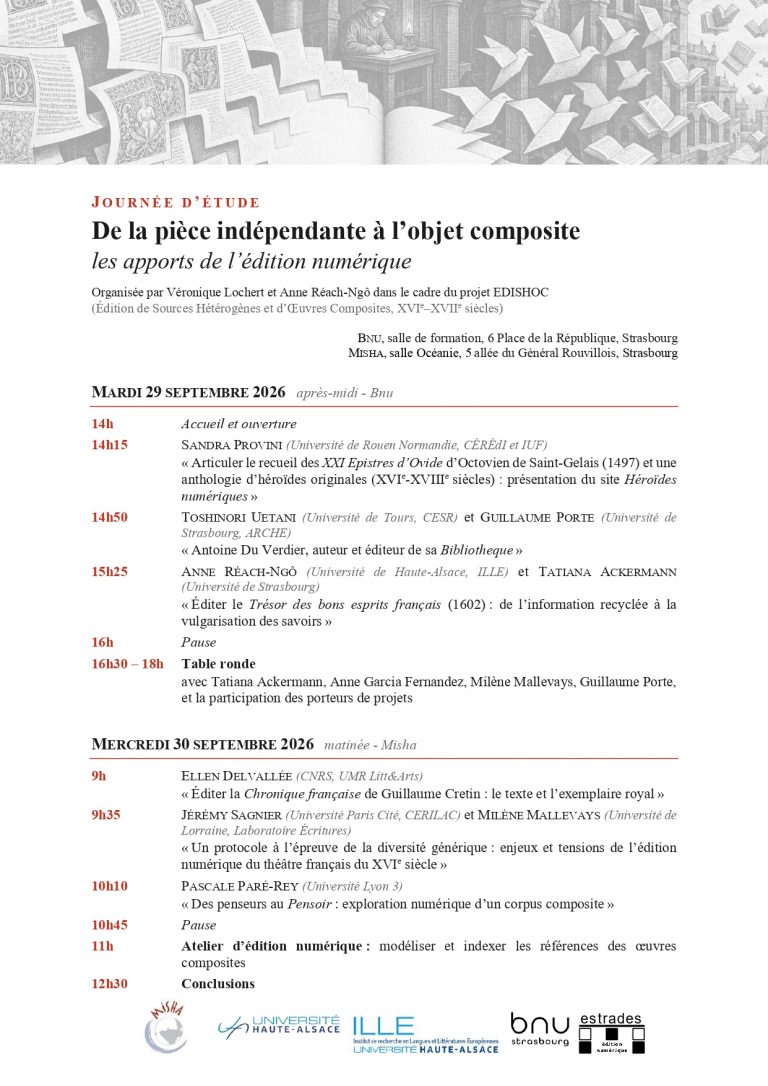
Journée d’étude EDISHOC
JOURNEE D’ETUDE De la pièce indépendante à l’objet composite. Les apports de l’édition numérique Organisée par Véronique Lochert et Anne […]
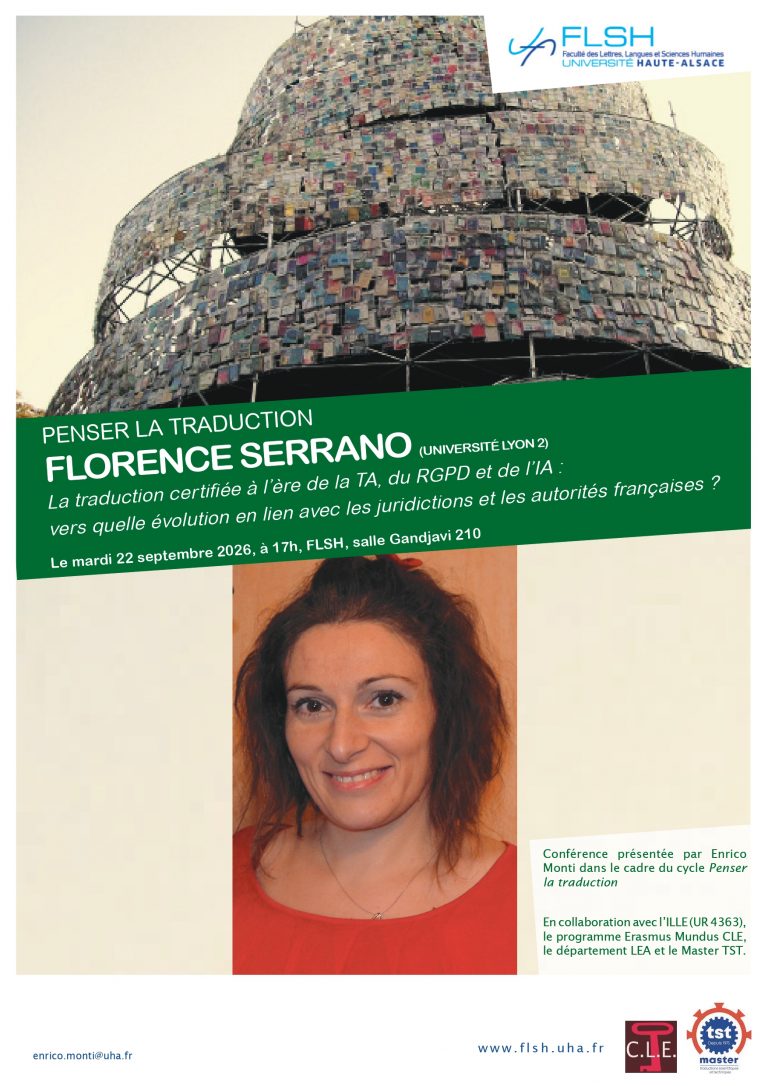
PENSER LA TRADUCTION – FLORENCE SERRANO : Certified translation in the era of MT, GDPR and AI
Conference presented by Enrico Monti as part of the Thinking about translation series In collaboration with ILLE (EA 4363), the […]
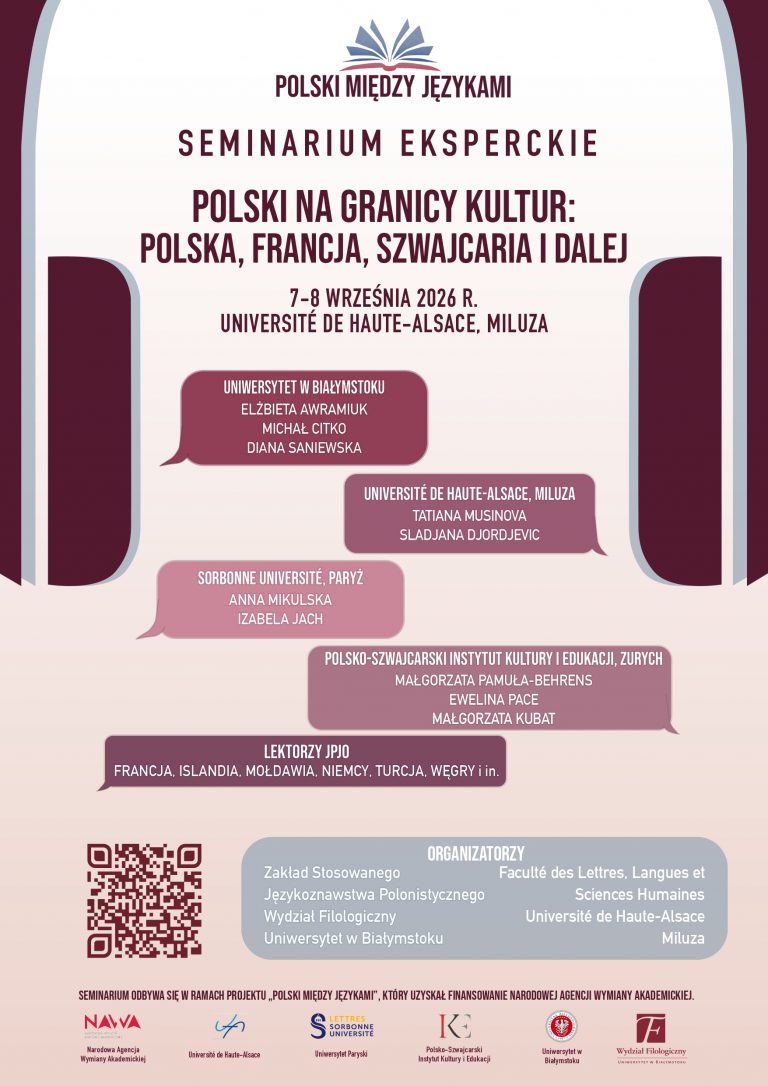
NAWA Project
NAWA Project with the University of Gdańsk from September 7th (all day) to September 8th (morning). In the Gandjavi room, […]

Demandez à Mietchka(en translation)
Translated from Ukrainian by Nikol Dziub Summary Lilitchka and Mietchka return to where it all began: an old house cut […]
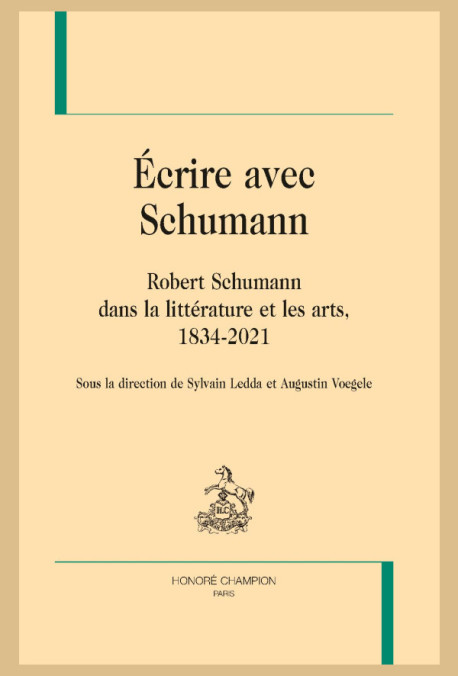
Écrire avec Schumann
Summary Can words trap Robert Schumann, or is he as elusive as the Papillons of his Op. 2? At times […]
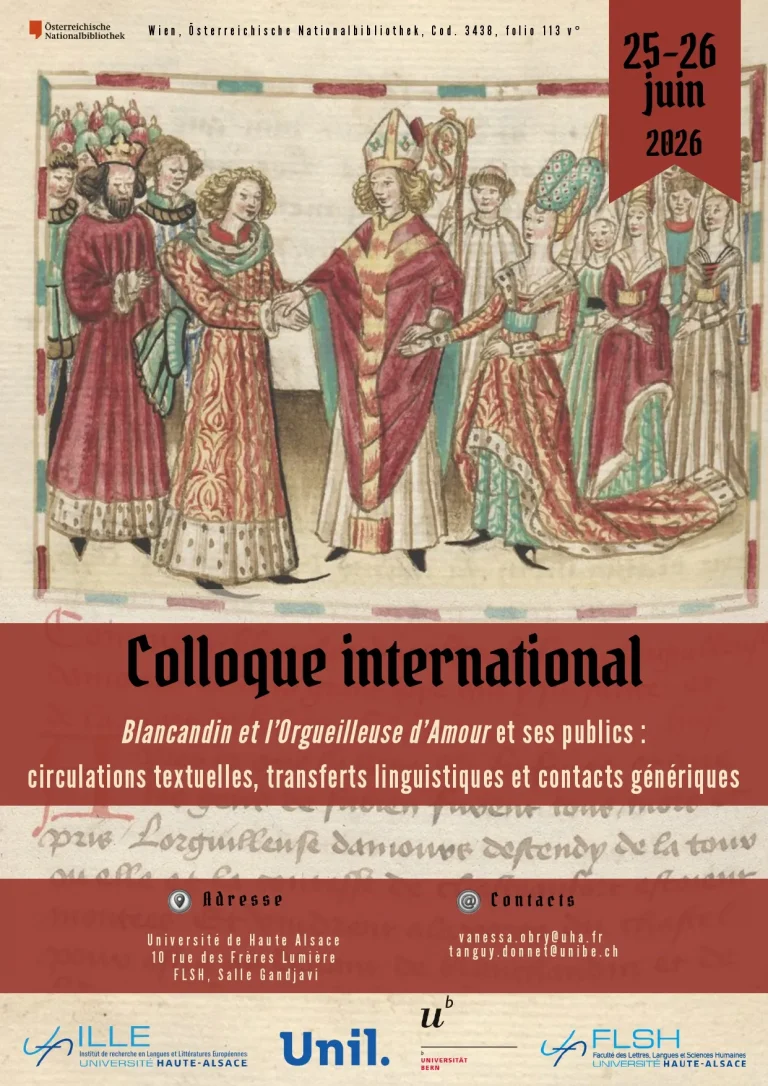
Blancandin and “L’Orgueilleuse d’Amour” and their audiences: textual circulation, linguistic transfer and genre contact.
“Blancandin et l’Orgueilleuse d’Amour”, an anonymous verse novel written in the langue d’oïl during the early decades of the 13th […]
CONTACT US
Research Themes – Scientific Areas of ILLE
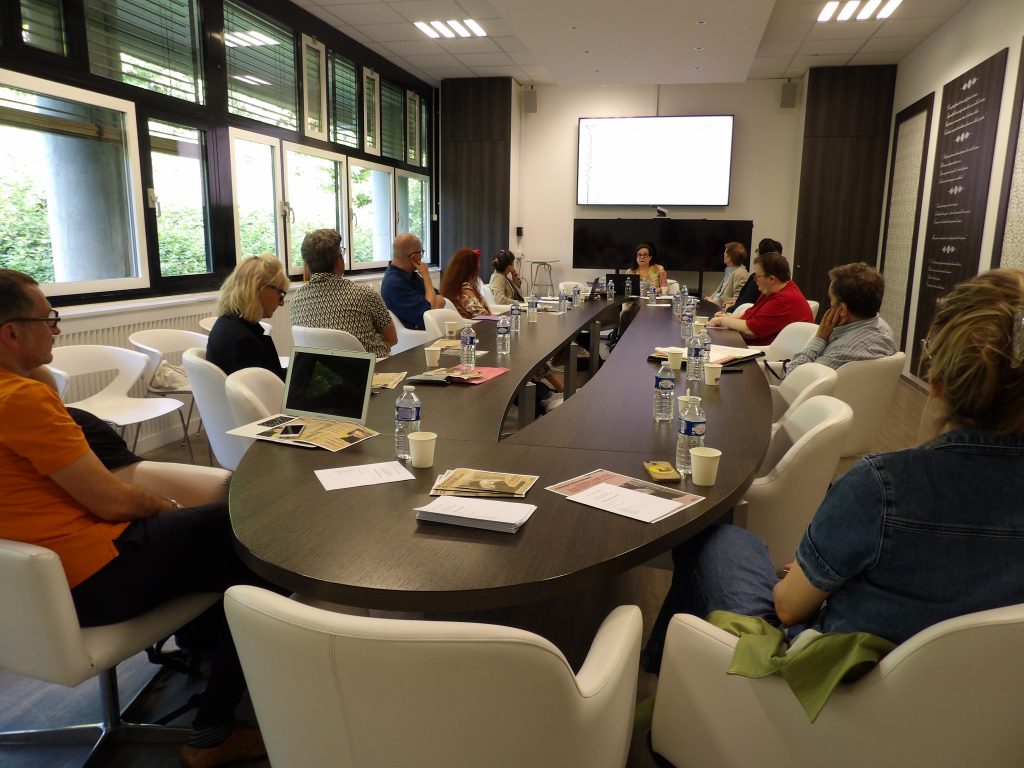
In the pursuit of an interdisciplinary dialectic, the two fields of specialization (literature, culture, and language sciences and linguistics) are organized around shared concepts such as European identity, cultural and literary transfers within Europe, their modes of expression and transmission, as well as aesthetic and poetic issues.
The points of contact between the two fields enable researchers to collaborate across both areas.
ILLE’s researches are divided into two programs: “European Identities and Exchanges” (IEE) and “Multilingualism in Europe” (PLE), each comprising three focus areas.