L’HOMME-LIVRE
 DATE
DATE -
Saturday, 15 October 2005
 TIME
TIME -End : 12:00
 PLACE
PLACE  SHARE
SHARE 



Who will speak of the virtues of the man who reads? From Don Quixote to Julien Sorel — not to mention Emma Bovary or the characters of Borges, Cortázar, Umberto Eco — how many heroes thus enjoy placing themselves in the company of books, in the company of a Book, as if to take the reader by the hand, this fellow being, this brother, and lead him into the universe of diegesis?
From the Knight of the Sorrowful Figure to Guglielmo di Baskerville, the Franciscan of Il Nome della Rosa, how many also seem pursued by this fabulous ideal: to have read all books — even if it means discovering to what extent “the flesh is sad, alas!”, to what extent the world of poetry or fiction can act as a substitute, eclipsing the everyday world and replacing it with a more harmonious, more logical order, an order in which our actions — perhaps our life — finally seem to find meaning.
But the world of the book, as it is represented in literature, the visual arts, chronicles, or cultural history, is not always thus condemned to solipsism. It can open itself to life, and the printed object can assert itself as the true mirror of reality.
The printed object: its paper, the smell of fresh ink or that of dust and mildew mixed together, which emanates from the depths of the antiquarian bookseller’s shop; the printed object with its entourage of contributors: the writer, the publisher, the journal editor, the printer, the foreman, the peddler or bookseller, the librarian, the book-lover, the bibliophile, or the simple reader… In short, the printed object in all its materiality and unfolding all its potential then imposes itself not only as a central figure of our imagination, but also as a revealing element of the whole of European history.
ORGANIZATION
No organizer has been specified for this publication.
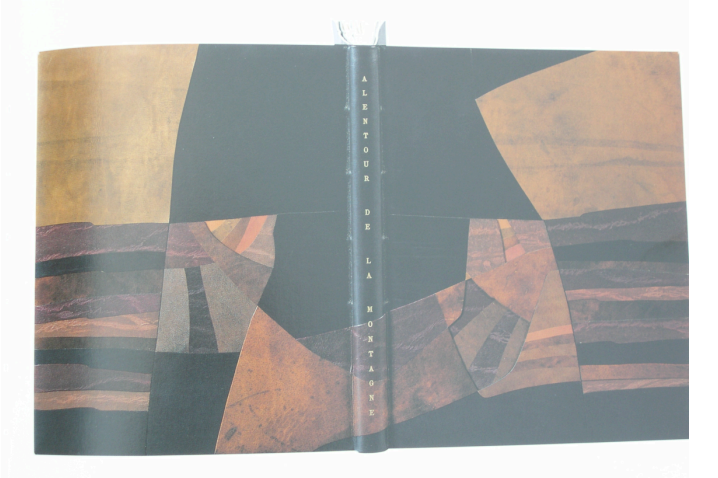
Programme
Latest News
CALL FOR PAPER – “Les 50 visages de l’autofiction (1977-2027) : genèse, mutations, devenirs”
Fifty years ago, Serge Doubrovsky published the first self-aware autofiction. With Fils (Galilée, 1977), the writer-professor responded to an article […]
Read more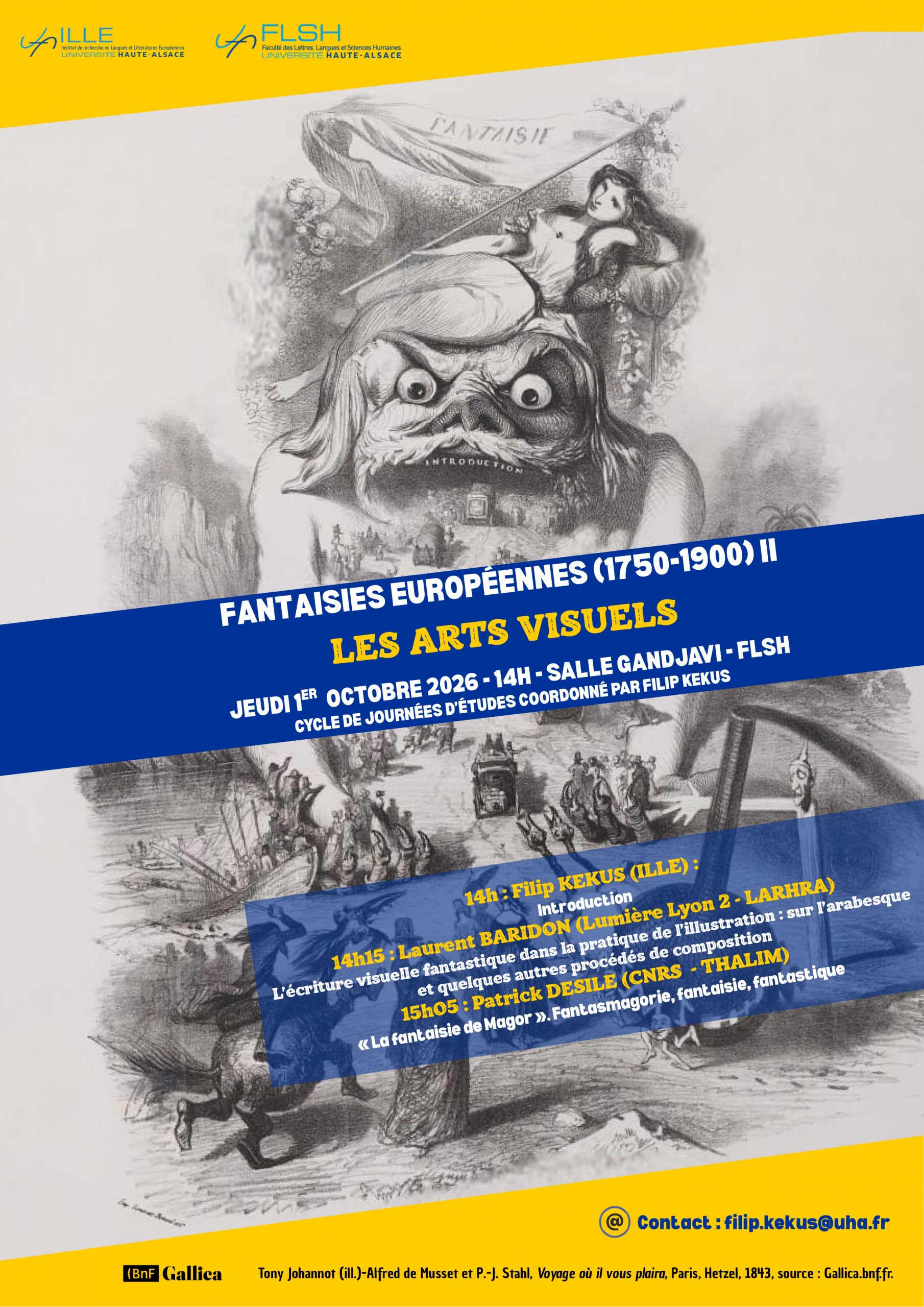
II – European Fantasies (1750-1900)
The second session of the study day series entitled European Fantasies (1750-1900) will take place on Tuesday, October 1st at […]
Read more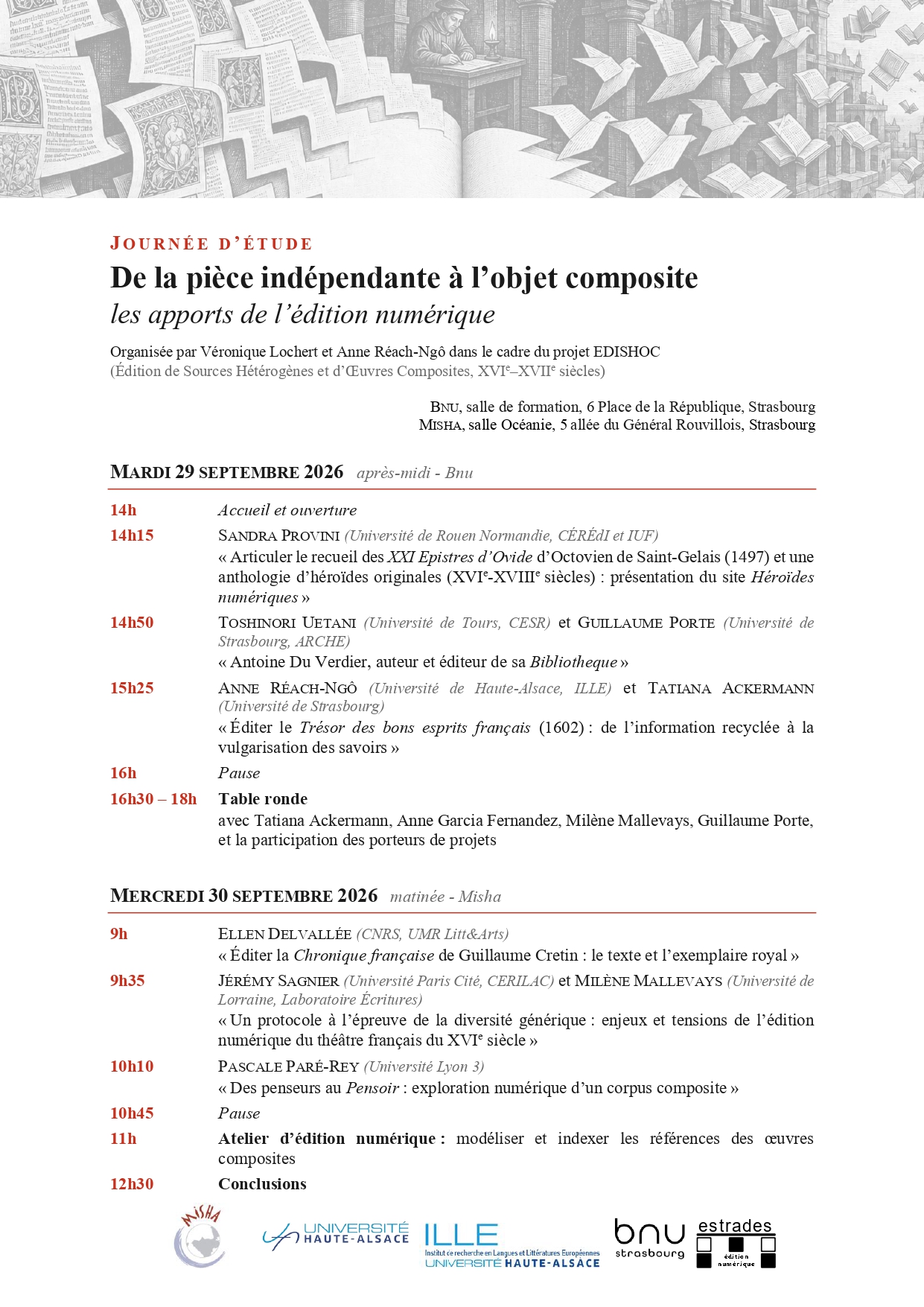
Journée d’étude EDISHOC
JOURNEE D’ETUDE De la pièce indépendante à l’objet composite. Les apports de l’édition numérique Organisée par Véronique Lochert et Anne […]
Read more